Is The Art Industry Racist?
- hollyframptonphotography

- Jul 7, 2020
- 5 min read
Hello everyone!
I'm sure we have all been aware of current events.
And I really don't feel like uploading my 'Curly Hair Routine' right now. Or some light-hearted topic to lightly ignore what has been happening.
So, in light of the Black Lives Matter Movement and Pride Month. I wanted to share and celebrate photographers and artist who NEED recognition. And not just that, I would also like to briefly address the institutional racism of the Art World.
Also, let's point out the obvious, as a white privileged woman I have had no experience of discrimination or prejudice. So, therefore, I am not on here to preach but to use my privilege to develop a conversation.
Focusing specifically on an area I have some knowledge about, the Photography and Art industry. Throwback to 2 years ago, I focused my dissertation on the lesbian aesthetic and the ‘lesbian gaze‘ surrounding art. Then further developed the label of 'Black Art', ‘Lesbian Art’, and lack of representation of black lesbian artists in the creative industry.
(Side Note: I have so many aspects and emotions I want to address in this blog, but I'm going to try and channel them into one direction, instead of 5)
QUICK BIT OF HISTORY
1980’s America was the uprising of the ‘Black Arts Movement’.
The UK counterpart for the movement was the BLK Art Group, created in Wolverhampton, West Midlands. This group consisted of, Eddie chambers, Donald Rodney, Keith Piper, Marlene Smith, Claudette Johnson, Dominic Dawes, Lubaina Himid, Wenda Leslie and Ian Palmer.
These were children of Caribbean immigrants, who fought to bring experiences of the black population into British culture.
The BLK Art Group wanted to challenge these ideas of culture and use art to address the oppression and anger of black people in the UK. Their accomplishments included creating shared local spaces for collaborators and building a platform for black voices, raising awareness of the racism built into the art industry.
However, they were originally told by their tutors, there was no such thing as 'Black Art' and that their work was too 'radical' for the art world at that time. It was only in 2012, that Wolverhampton Art Gallery realised it had no work from the BLK Art Group, to which over time, pieces would end up missing or destroyed. And only in 2017 was Lubiana Humid the first black woman to win the Turner Prize.
Critics in the US and UK would denounce black artists due to their work not fitting into European culture. Still today there is still a lack of visible ethnic minority work, that does not reflect the number of individuals working in the art industry.
ARTISTS AND PHOTOGRAPHERS
An artists work is so powerful, and It is important to acknowledge artists of all backgrounds, celebrating all the content that they produce. There is still so much exposure that needs to be achieved in museums and galleries and hopefully, by sharing up and coming creatives we can diversify this industry further. Whether It's posting someone's new collection on your Instagram story or sharing a piece of work on Facebook, this helps not just the individuals to be recognised but the whole community.
Here are just a few incredible photographers from around the world, whose work celebrates black culture, art, sexuality and experience through the medium of photography.
1. Ronan Mckenzie




"I have never been to a show that solely showcased black British female photographers, and I think one should exist, so I created it"
2. Zanele Muholi


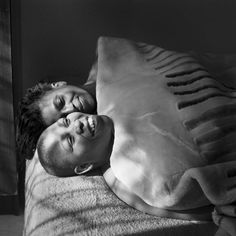


"It is personal issues that makes me do what I do, for I have been raped more than 50 times by just listening to what women who have confessed and confirmed their love for other women have been through."
3. Rotimi Fani- Kayode



"On three counts I am an outsider: in terms of sexuality; in terms of geographical and cultural dislocation; and in the sense of not having become the sort of respectably married professional my parents might have hoped for."
4. Shawn Theodore


"When you see a subject in my photo who is painted all black (as an evolution of my silhouette works), this is not a happy nod to blackamoor works, I am reclaiming the absolute blackness and dynamic physical and spiritual power of trapped in these figures"
5. Adrienne Raquel

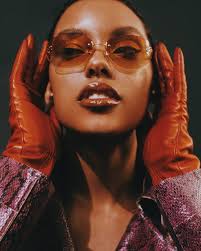


"Portraying women of colour in a positive light and being able to capture our beauty, for me that speaks volumes"
6. Duen Ivory




"It’s important that we consistently affirm each other through words, think pieces, events, and work that resonates with our community."
7. Jennie Baptise


"For me, the most enjoyable part of photography is telling stories about real people"
8. Armet Francis


"I was living and working in the first world, materially that is, but becoming more aware of inequalities to the third world, to be more specific the Black World."
9. Maxine Walker


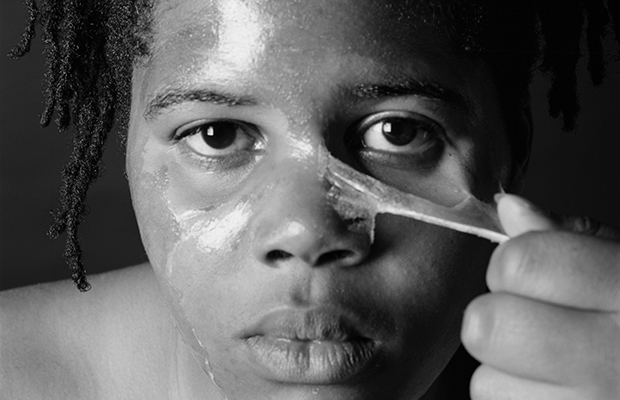
"She seemingly peels away layers of her surface skin, conjuring a narrative that is more sinister than playful, intimating that her blackness cannot - and must not - be stripped away"
10. David Uzochukwu

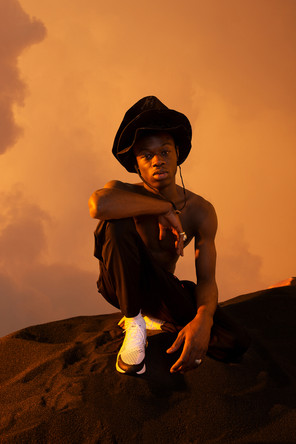


"I'm very conscious of what it means to be different, and enjoy making work that reflects and owns that."
11. Kamau Wainaina

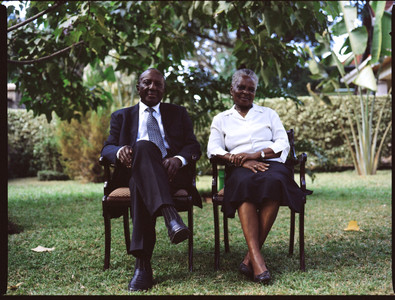
"The danger of evolution within the arts is that it can remain quite surface level, not reaching the production and practice – and how we treat and recognize queer and femme artists as well as subject matter that discusses those experiences."
12. Laura Alston


"I have been documenting moments of my life through disposable cameras and then waiting to develop them until the end of the year. I prefer feeling the nostalgia that comes from looking at these images, rather than trying to capture a moment 20 times on a digital camera."
13. Yannis Davy Guibinga


"The Darkest Colour’ seeks to redefine association of black and death with tragedy and sadness by representing the act of passing away as more of a relaxing experience.”
14. Myles Loftin


"I’m trying to figure out how to communicate my experience in a way that’s positive and not necessarily self-deprecating, because I feel like oftentimes marginalize artists are expected to have this type of work that is super-negative. Not necessraily negative, but just talking about the oppression that you face."
15. Ekua King



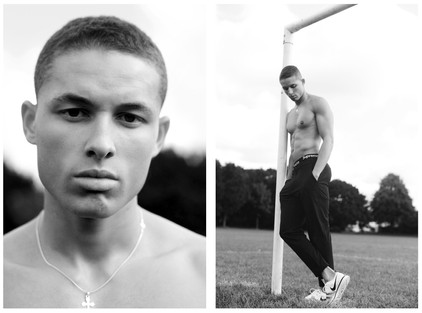
""I don't just shoot black men, but they are the subjects I feel most connected to and intrigued by within my work. The way a black man walks, the way he talks. I find it all captivating. This is a subject that I have been visiting and re-visiting since my final major project at university -- the black male image. The associations of negativity attached to that image compels me to produce work which challenges that stereotype and presents an honest, empowering and positive view of the black man."
Thank you for taking time out of your day to read this post!
If you would like to know a little more, here are a few articles addressing the equality issues of the art world, in both the UK and US:
Petitions:
Racial Equality in the Ballet World
Offer more support to the arts (particularly Theatres and Music) amidst COVID-19
Comments